
Aired on Bloomberg Television


First aired
Against All Odds
A true story of survival, sacrifice, and the fight to save a family against all odds.
Based on the remarkable life story of Frank Song.
Watch the Full DocumentaryMissed it? Stay tuned to Bloomberg Television for reruns.
Watch the Full Documentary
Available in English, with subtitles in Russian, Ukrainian, Mandarin, Cantonese, Arabic and 18 other languages.
Watch Full Official Trailer Here
At just fourteen years old, Frank Song has unceremoniously become the head of his household in the suburbs of Fremont, California. A sheltered middle-class boy now stands as the final, last line in saving his family—without him, there will be no survival.
Frank is watching his family drown, all of them, in slow motion. His mother pulled under by her severe mental illness, his father sinking beneath waves of alcohol, violence, and failed businesses, and his five-year-old sister—an innocent victim trapped in their destruction. He faces an impossible choice: either watch them all drown one by one, or find a way to save them all. There is no partial victory here.
His mother cannot work or maintain stable employment; her untreated condition keeps her trapped in a cycle of depression, volatility, and hoarding. His father, once an ambitious engineer, now buries his pain in alcohol, trapped in an unhealthy marriage and desperately clinging to business ventures that haven’t brought an income home in years, bringing him to a life of violence, bitterness, and rage. Like a gambler chasing losses, he always insists, “the next one will work.” Eight hours of each day are consumed by their physical fights over why there’s no money and what to do, leaving their 5-year-old daughter neglected in the chaos.
After years of watching his mother’s mental illness worsen day by day without money for doctors, and his father’s rage and drinking spiral from financial stress, Frank reaches a clear conclusion: money can save his family. Having witnessed how the absence of money destroyed their lives, he believes its presence can resurrect them. Although he could run away from these problems, there is a conflicting emotion of duty and responsibility he finds as the oldest male child. Without his intervention, his sister’s childhood will be sacrificed and they are all headed toward homelessness.
At the age of 14, forced to captain a half-sunk ship, every decision Frank makes is life or death—there is no room for error when the family has a negative bank balance and mounting overdraft fees. All the typical middle-class solutions—clipping coupons or cutting back on groceries—become meaningless when there’s no money anyways. The mortgage is already two months past due; a third month means foreclosure. Each mistake is multiplied by 10x as there are no safety nets.
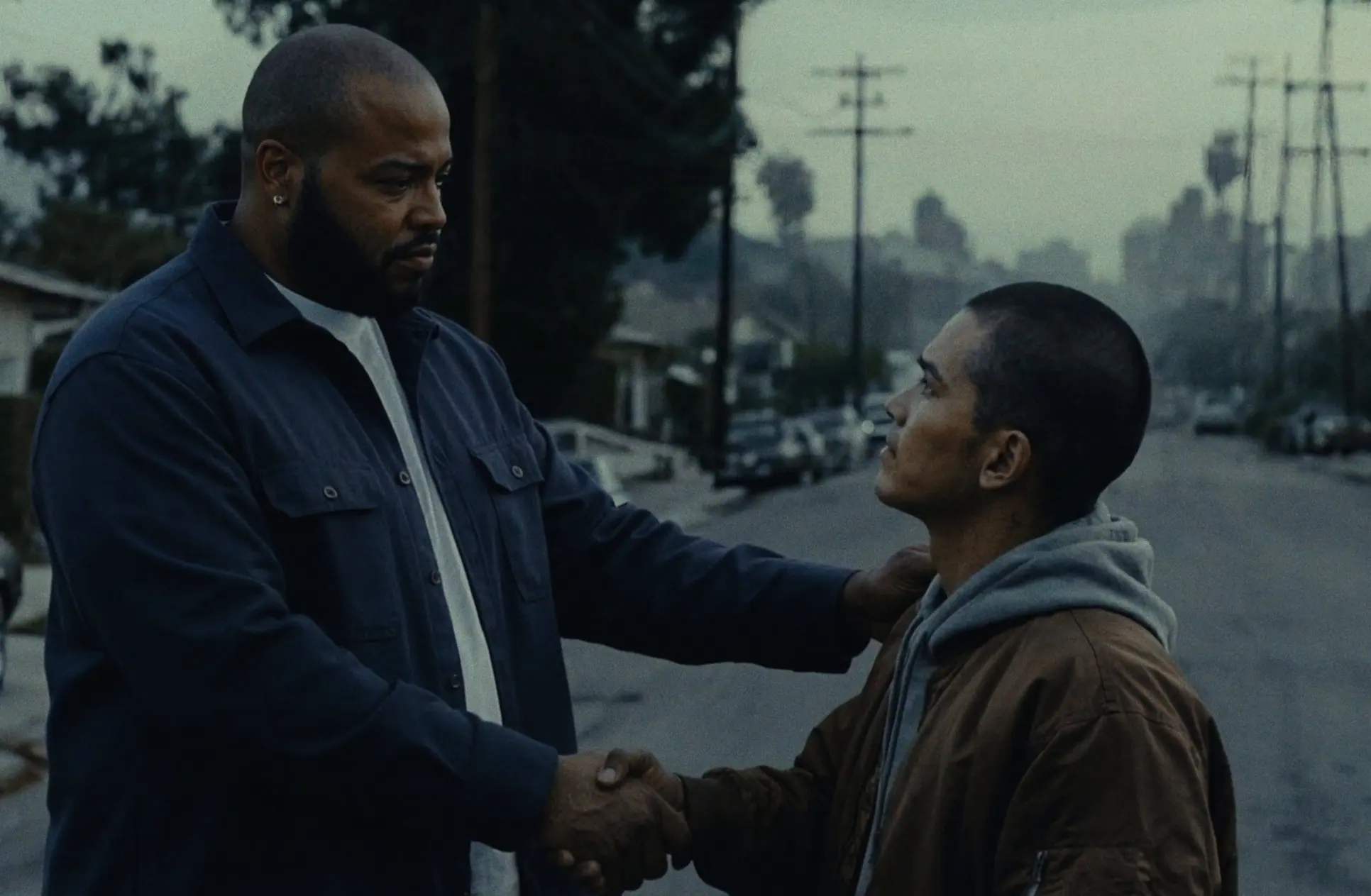
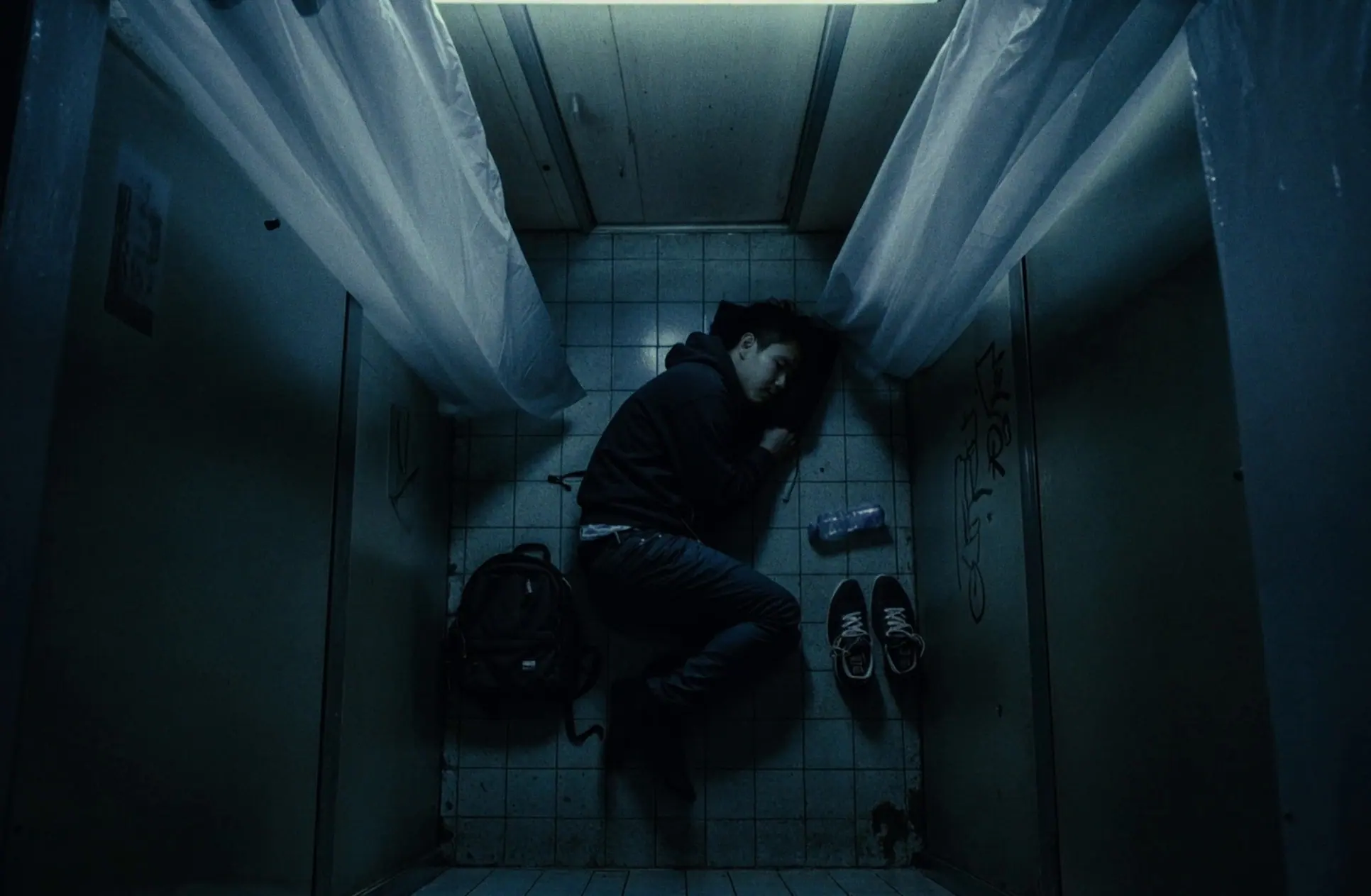

To climb back to even middle class, Frank will need to correctly make thousands of decisions over the next 10 years—every choice, every risk, every bet, every gamble, every battle, every sacrifice
—where one wrong move can erase years of progress, and a second mistake destroys it all.
He is walking a tightrope over the Grand Canyon without any harness. Each step could be his last. The odds are already stacked against him, and with the Great Recession of 2008 around the corner, the worst financial crisis since the Great Depression, the odds are now impossibly against him, but he chooses to face it head on.
From the middle-class suburbs of Fremont to surviving in the Bay Area’s most dangerous neighborhoods to the multi-billion-dollar skyscrapers of Wall Street’s top Investment Banks and Private Equity firms, Frank Song’s journey is more than survival—it’s a battle to keep his family from a slow and steady death. The weight of their survival rests entirely on his shoulders—he is their only hope for stability, for treatment, for a future that isn’t defined by poverty and mental illness. This is the opposite of the American dream—it’s every American family’s horror story coming true.
An uplifting, inspirational true story of a young man with absolutely nothing, yet everything hanging on his shoulders.
One where learning that one’s past, although unconventional and difficult, can be life’s biggest advantage. Along the way he meets unlikely friends, is thrown into chaotic situations, and is forced to use resourcefulness, creativity, grit, perseverance, and the will to never quit in search of a better life for his family.
It’s “The Pursuit of Happyness” meets “Joy,” with a modern millennial twist and high-stakes finance drama woven through the gritty resilience of a rags-to-riches story. In navigating toxic family dynamics, homelessness, and the unforgiving streets, Frank hones a resilience and creativity that become invaluable tools as he breaks into Wall Street’s exclusive world of private equity. Driven by the need to save his struggling family, this story is a powerful testament to the strength of perseverance and adaptability, showing that even in a world set against him, he can rise to unimaginable heights.
Frank Song’s remarkable journey, brought to life on Bloomberg Television.
Representation
Frank Song is represented by Frank Weimann and Folio Literary Management, one of the most respected literary agencies in the industry. With over 30 years of experience, Frank Weimann has worked with cultural icons and trailblazers such as Tupac Shakur (legendary rapper and cultural icon), Johnny Cash (iconic musician and American music pioneer), and Kareem Abdul-Jabbar (NBA legend and best-selling author).

Folio Literary Management has been instrumental in bringing major projects to life on platforms like Netflix, Apple TV+, and Amazon Prime Video. Their work includes critically acclaimed titles such as Martin Scorsese’s The Irishman (Netflix), starring Robert De Niro, Al Pacino, and Joe Pesci, which was nominated for 10 Academy Awards, including Best Picture, and won accolades such as the Critics’ Choice Award for Best Acting Ensemble. The To All the Boys I’ve Loved Before trilogy (Netflix) became a global cultural phenomenon, beloved for its heartfelt storytelling. October Sky (based on Rocket Boys), a timeless classic, has inspired generations with its story of perseverance and dreams realized. The Summer I Turned Pretty (Amazon Prime Video) quickly became a breakout hit, captivating audiences with its coming-of-age narrative, while Dumplin’ (Netflix), starring Jennifer Aniston, earned praise for its empowering themes and heartfelt performances. In addition to their success in adaptations, Folio Literary Management has represented countless New York Times and Wall Street Journal bestsellers.